From Reluctant Skeptic to Flipped Classroom Enthusiast: My Journey Integrating Disney Magic into Engineering Education
It all started with a simple desire: to become a better teacher. Back in March 2024, on a colleague’s nudge, I signed up for “The Flipped Classroom: Getting Started” workshop at PolyU’s Educational Development Centre (EDC) in Hong Kong. As a lecturer at CPCE, The Hong Kong Polytechnic University, teaching engineering students, I was thrilled to learn from experts at one of the world’s top institutions. But flipped classrooms? The idea of students pre-learning content at home and using class time for discussions and activities sounded revolutionary—and terrifying. My undergrads were part-time engineering professionals, juggling full-time jobs and evening classes. They weren’t the chatty business students accustomed to case studies; they preferred straightforward lectures on technical topics like embedded systems in my SEHS3317 Computer System Principles course. Doubts flooded in: Would they prepare in advance? Could a jam-packed engineering curriculum accommodate this? And how do you “flip” dense, technical material? My initial reaction: “Wow, but no way I can pull this off!”
Flashback to my roots in Pakistan, where seeds of active learning were planted long ago. In December 2013, I earned the “Master Trainer” title after a rigorous two-month program by the Higher Education Commission (HEC). Selected from across the country, I trained in Islamabad on innovative teaching methods, then cascaded them back home. By August 2015, I co-organized a 19-day workshop at DHA Suffa University, where I led a session on “Academic Planning and Classroom Management.” Picture this: faculty members—some senior to me—diving into group activities, debating ideas, and emerging energized. It was my first taste of the power of discussion-based learning. No more passive note-taking; instead, lively exchanges that sparked real understanding. Little did I know, this experience would bridge to flipped classrooms years later, proving that even technical minds thrive in interactive settings.
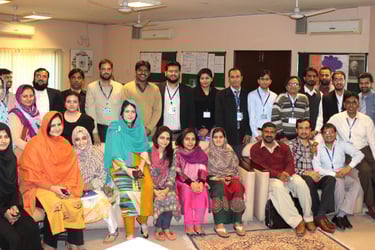
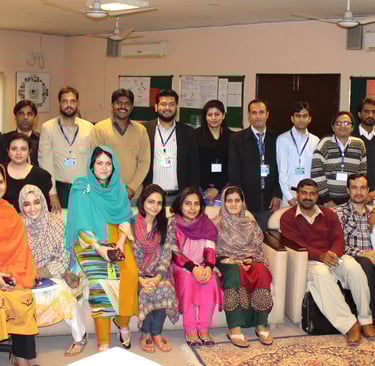
Nov 2013 - 21st Master Trainer-Faculty Professional Development Program Group Picture
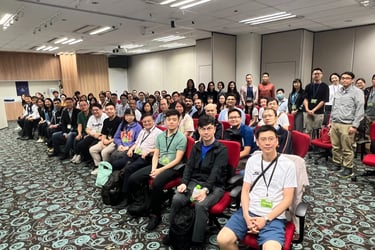
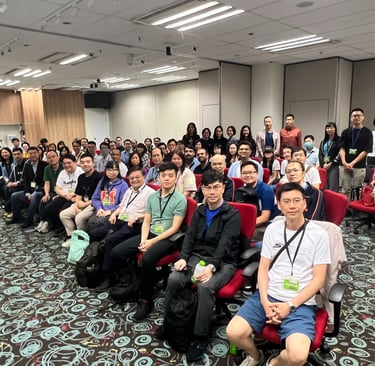
June 2024 SEHS Staff Retreat Group Picture @ Hong Kong Disneyland
Fast-forward to June 2024: a staff retreat at Hong Kong Disneyland organized by SEHS, CPCE. Expecting rides and fun, I discovered Disney University—a hub for Imagineering, where tech wizards enhance visitor experiences through cutting-edge projects. No traditional students here; just innovative research on embedded systems, the heart of my course. We toured seminars on unrealized tech marvels, all tied to sensors, actuators, and microprocessors. It clicked: This could excite my students! I scoured YouTube for videos mirroring our experience, landing on Cleo Abram’s coverage of Disney’s California park [YouTube link]. She dove into Stuntronics (robotic stunt doubles), Droids, Realistic Lightsabers, and Holotile—a mind-bending omnidirectional floor for VR-like movement. Perfect examples of special-purpose computers!
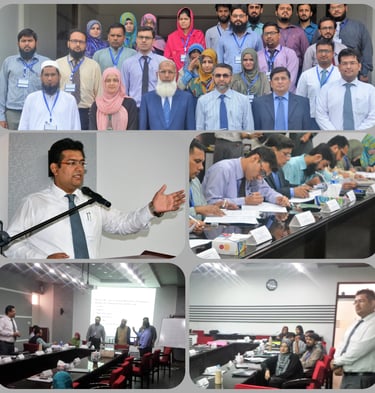

Aug 2015 - 1st Master Trainer - Faculty Professional Development Workshop
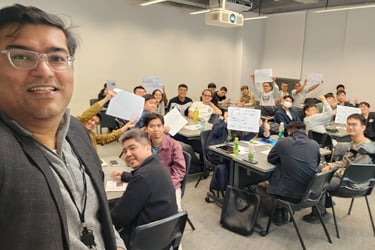
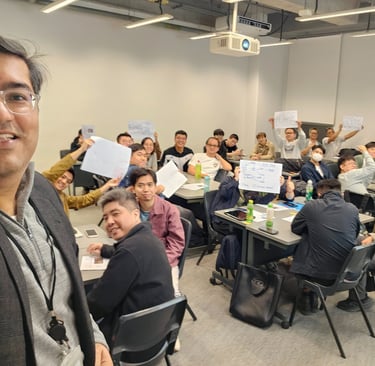
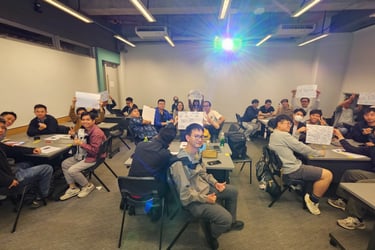
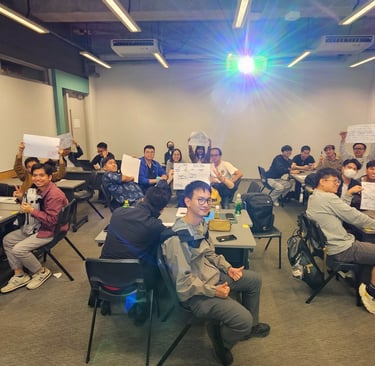
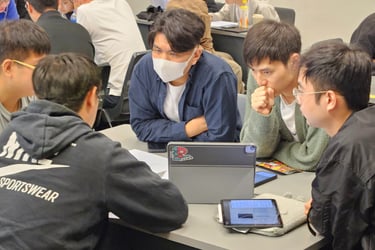
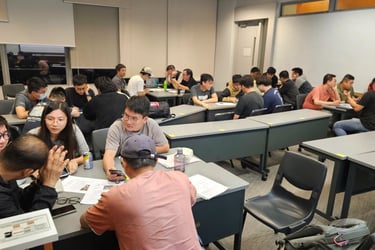
Enter September 2025, teaching the same course anew. Buoyed by chats with my mentor, Dr. James Chau (probably a flipped classroom alum himself), and institutional support, I decided to dip my toes in. I teased the class: “We’re trying something fresh—flipped style, inspired by my Disneyland adventure.” To prep, I shortened a three-hour lecture to two, freeing an hour for activity. Students got the 16-minute video link via email and Blackboard reminders. Shockingly, most watched! In class, we replayed it for refreshers, then I handed out colorful activity sheets. The room’s movable tables (on wheels—bless the infrastructure) let us form groups effortlessly. After some gentle nudging—demonstrating table setups myself—reluctance melted away.
We split into “Tech Detectives” and “Concept Mappers” for each Disney tech: Detectives identified sensors, actuators, and microcontrollers; Mappers sketched concepts and brainstormed real-world applications beyond parks. With 3-6 students per group, they had 20-25 minutes to collaborate, electing a leader for quick 1-2 minute summaries. Ideas flowed—Holotile for rehab therapy? Droids in warehouses? By the third iteration, I upped the ante with B3 papers and markers for visible note-taking, sprinkling encouragement like “Great effort!” No grades attached; I wanted pure engagement, though next time, a tiny incentive might boost it.
Eager to share, I emailed the video link to my May 2025 class, urging them to watch for a 20% exam question on Holotile. But crickets—few watched, and responses were lackluster. They stuck to past papers, ignoring this “irrelevant” detour. Lesson learned: Motivation needs more than emails.
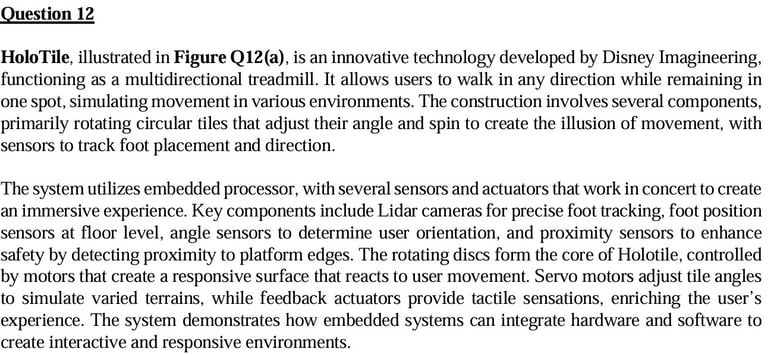
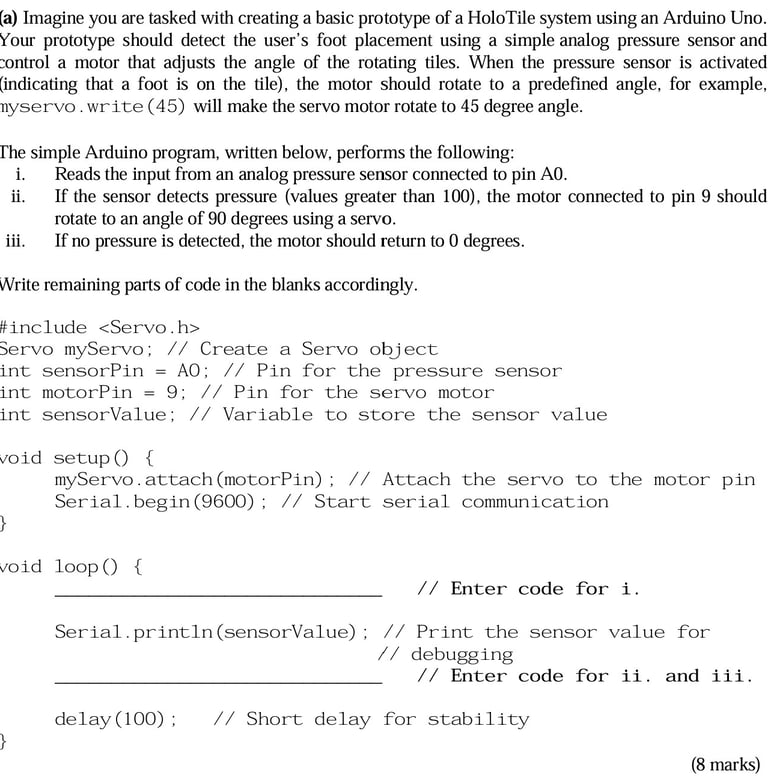
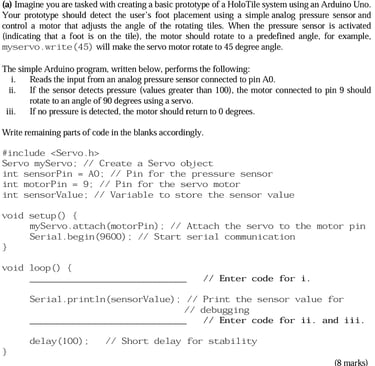
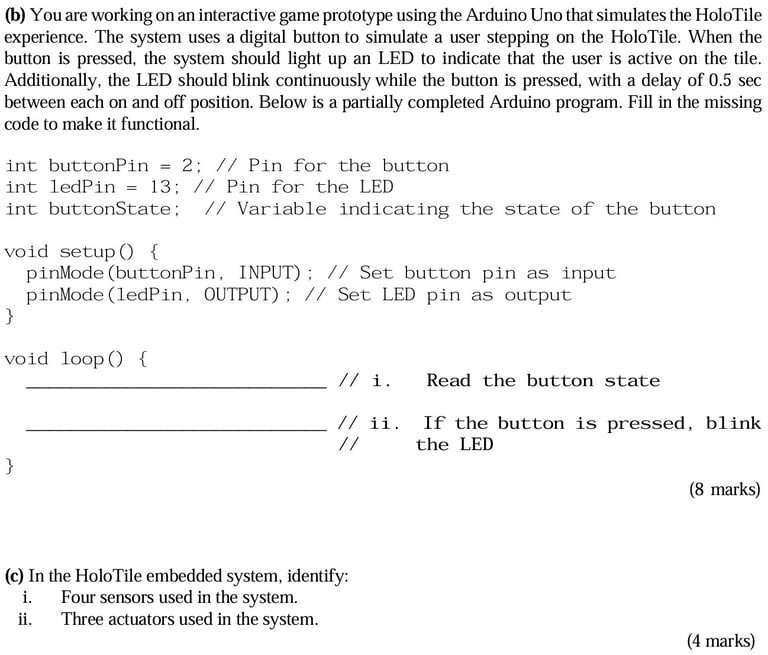
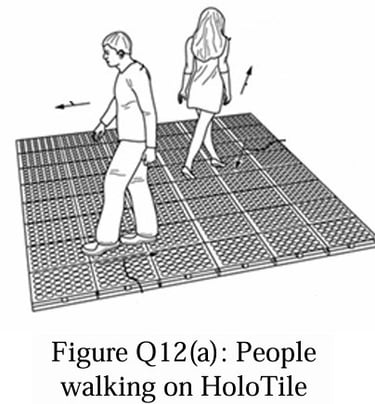
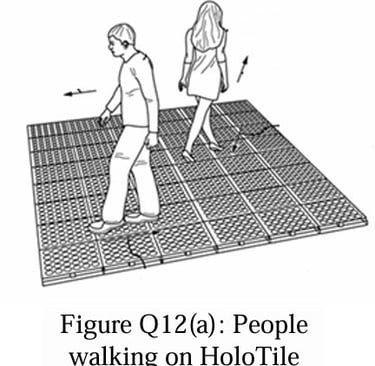
Exam Question from SEHS 3317's Semester 2, 2024/25 (available through CPCE Library)
The payoff? Electric energy! Students connected lectures to real tech, fostering deep thinking. One shy student beamed in the elevator post-class: “Fantastic! Boredom vanishes in discussions like this.” It reaffirmed active learning’s magic over slides. Yet, flipping engineering isn’t easy—barriers like student prep resistance, heavy workloads, and content-dense curricula loom large. But benefits shine: Personalized pacing for diverse learners (visual, kinesthetic, auditory), immediate feedback, boosted autonomy, and skills like teamwork for future pros.
In September 2025, we phased in more flips, blending Disney’s whimsy with engineering rigor. It’s transformed my teaching—and hopefully inspires yours. If you’re an educator eyeing flipped models for tech courses, start small. The rewards? Engaged minds, lasting impact.
References
For deeper dives into flipped classrooms:
Bergmann, J., & Sams, A. (2012). Flip Your Classroom: Reach Every Student in Every Class Every Day. International Society for Technology in Education.
Talbert, R. (2017). Flipped Learning: A Guide for Higher Education Faculty. Stylus Publishing.
Educause. (2012). “7 Things You Should Know About Flipped Classrooms.” Available at: https://library.educause.edu/resources/2012/2/7-things-you-should-know-about-flipped-classrooms
Abeysekera, L., & Dawson, P. (2015). “Motivation and cognitive load in the flipped classroom: definition, rationale and a call for research.” Higher Education Research & Development, 34(1), 1-14.
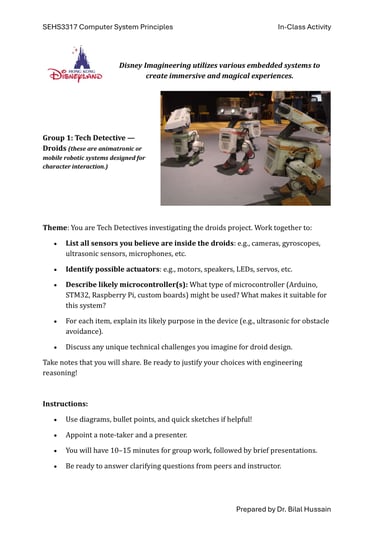
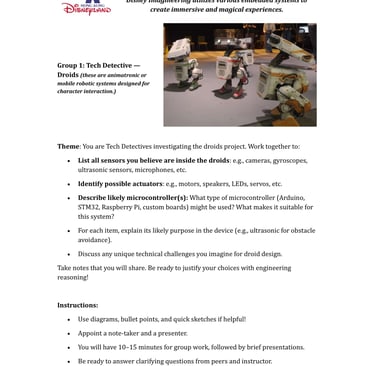
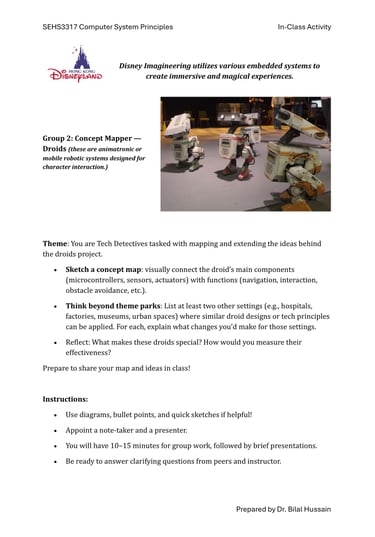
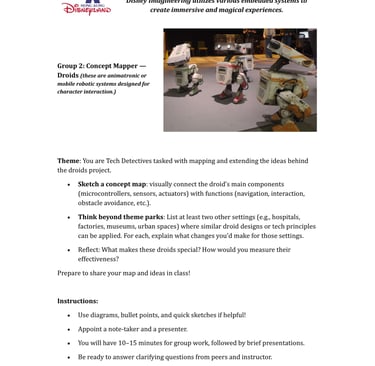
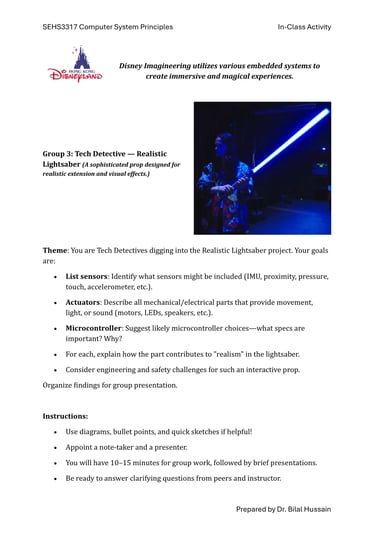
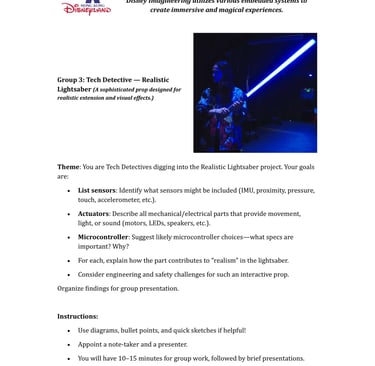
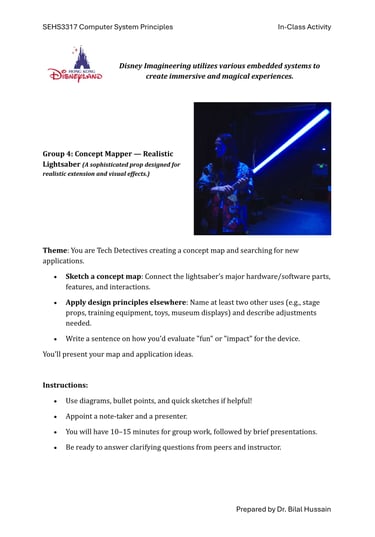
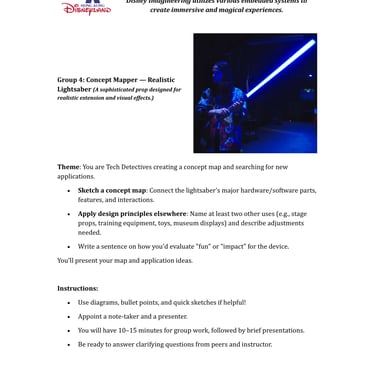
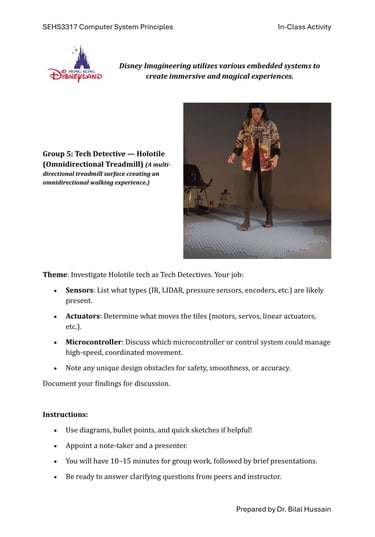
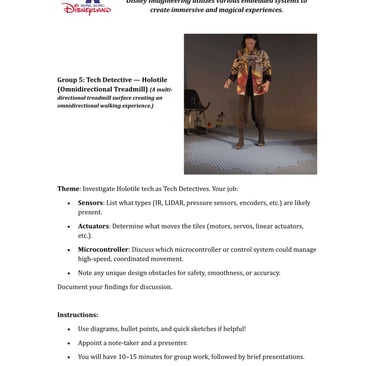
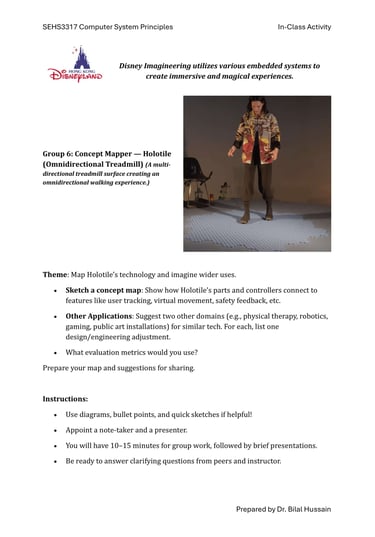
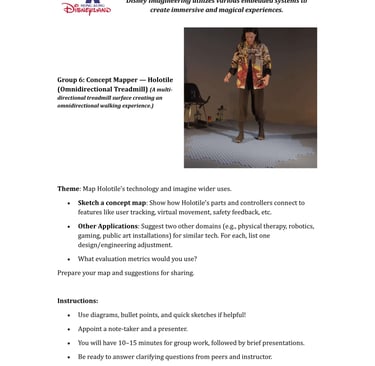
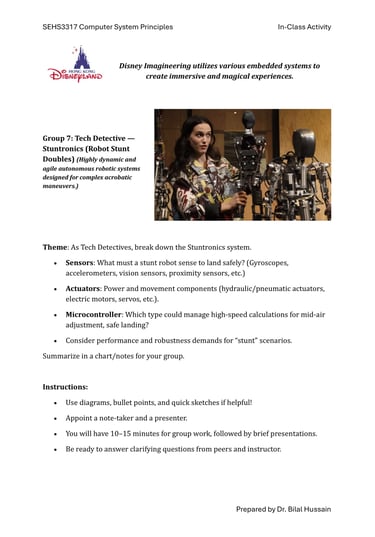
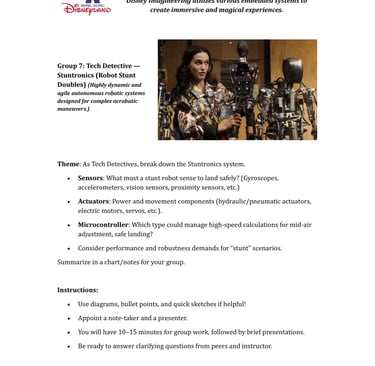
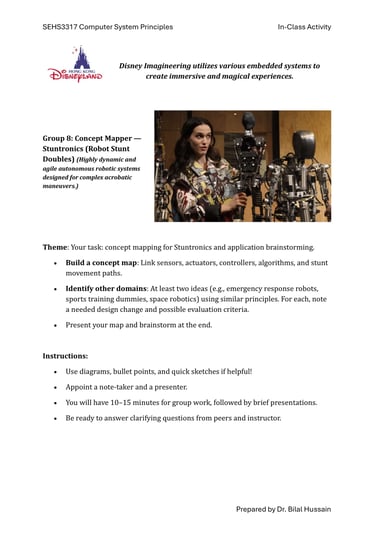
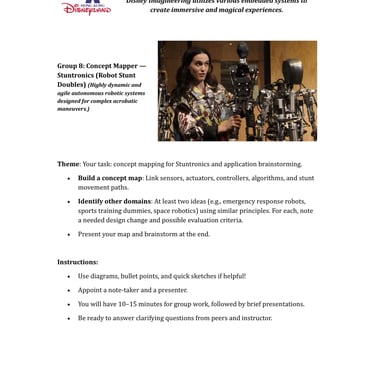
Sept 2025 In-Class Activity - Disney Imagineering Materials
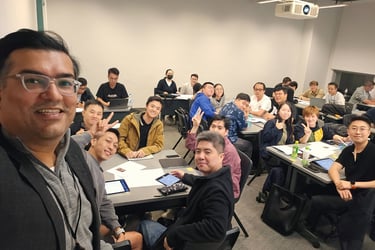
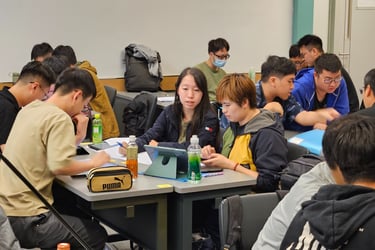
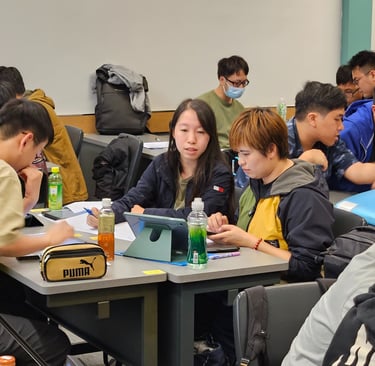
A few clicks from the flipped classroom sessions of SEHS 3317 students (Group A01, A02, and A03)
P.S. Consent was gained from the students before capturing and posting the images.
Dr. Bilal Hussain